
Appliance Fire Investigations
Reliant Investigations brings advanced laboratory capabilities and specialized expertise to appliance fire investigations, utilizing Residential fire investigation protocols combined with detailed product analysis to provide insurance companies with clear, defensible conclusions about appliance-related fire causation and liability determination.
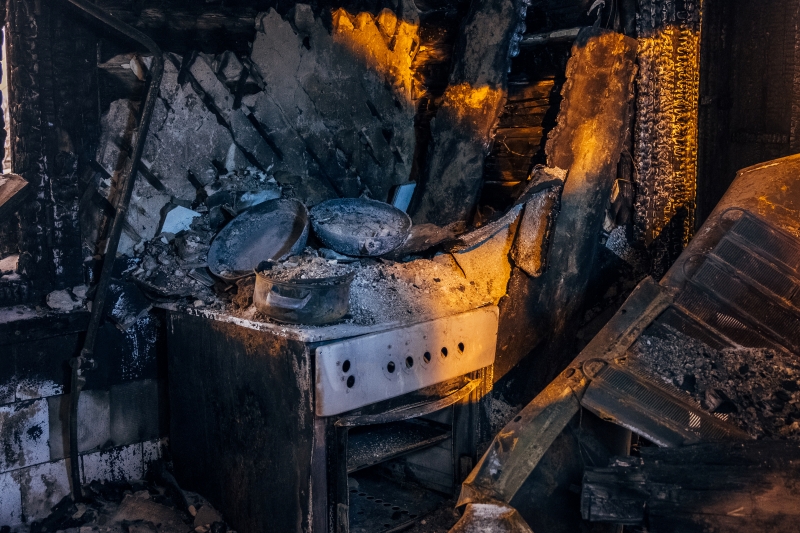
Common Appliance Fire Causes
and Failure Modes
Appliances can cause fires due to various different factors.
Electrical Appliances
Electrical appliances fail through predictable mechanisms that experienced investigators can identify through systematic examination of fire-damaged components.
Heating Elements
Heating elements in small appliances such as toaster ovens and air fryers commonly fail due to manufacturing defects, improper installation, or normal wear patterns that create dangerous operating conditions leading to ignition of nearby combustible materials.
Large Appliance Failures
Large appliances including washing machines, dryers, and refrigerators present different failure modes related to motor systems, control circuits, and ventilation requirements. Dryer fires frequently originate from lint accumulation in ventilation systems, while washing machine incidents often involve water pump failures or electrical control malfunctions that create overheating conditions.
Kitchen Appliances
Kitchen appliances require specialized analysis techniques due to their exposure to grease, moisture, and high-temperature operating conditions. Range tops, ovens, and microwave units each present unique failure patterns that require specific investigative approaches to identify causation factors and determine liability issues for subrogation purposes.
Electrical Control Systems
Electrical control systems in modern appliances incorporate complex circuit boards and sensor systems that can fail in ways not immediately apparent through visual examination. These sophisticated components require in-house laboratory analysis using advanced diagnostic equipment to identify specific failure modes and determine whether defects existed at the time of manufacture.
Investigation Methodology and Evidence Collection
Documentation of Evidence
Investigators photograph the appliance in its post-fire position, document surrounding damage patterns, and collect samples of nearby combustible materials that may have contributed to fire spread.
Digital X-Ray Imaging
Digital X-ray imaging systems provide non-destructive examination capabilities that reveal internal component conditions without dismantling the appliance. This technology proves particularly valuable when investigating electrical control systems, heating elements, and mechanical components that may have been damaged during firefighting operations but retain critical failure evidence.
Systematic Disassembly Procedures
Systematic disassembly procedures follow established protocols designed to preserve evidence while allowing detailed examination of internal components. Each component receives individual documentation including photographic records, electrical continuity testing, and visual examination for signs of overheating, mechanical wear, or manufacturing defects.
Witness Interviews
Witness interviews provide essential information about appliance operating history, maintenance practices, and any unusual operating conditions observed before the fire incident. This information helps investigators understand normal usage patterns and identify potential contributing factors that may have accelerated appliance failure or created dangerous operating conditions.
Laboratory Analysis Techniques
Laboratory analysis of appliance components requires specialized equipment and techniques designed to identify failure modes in fire-damaged materials. High-resolution microscopy reveals manufacturing defects, electrical arcing patterns, and mechanical wear indicators that determine whether failures occurred before, during, or after the fire incident. Electrical testing of fire-damaged components utilizes specialized procedures adapted for heat-damaged materials. Testing protocols determine electrical continuity, insulation integrity, and control circuit functionality to identify specific failure points that contributed to fire ignition.
Material analysis techniques identify foreign substances, contamination, or degradation products that may have contributed to appliance failure. These analyses prove particularly important in cases involving cleaning products, cooking residues, or environmental factors that accelerated component deterioration beyond normal operating expectations. Component comparison studies involve examining identical appliance models to establish baseline operating characteristics and identify deviations in the fire-damaged unit. This comparative approach provides objective criteria for determining whether observed conditions represent normal wear or abnormal failure patterns indicative of defective products or improper usage.
Expert Testimony and Legal Support
Appliance fire investigations frequently involve product liability claims that require expert witness testimony to explain complex technical findings to legal professionals and juries. Expert testimony must clearly communicate appliance operating principles, failure mechanisms, and causation analysis in terms that support specific legal theories and damage calculations.
Courtroom presentations utilize visual aids including appliance cutaway models, component photographs, and failure analysis diagrams that help juries understand technical concepts and causation relationships. These presentations must be both scientifically accurate and persuasively presented to achieve favorable outcomes in product liability litigation.
Coordination with legal counsel throughout the investigation ensures that technical findings support applicable legal theories and that potential case weaknesses are identified and addressed before they become problematic during litigation proceedings. This collaborative approach significantly improves the success rate of appliance fire subrogation efforts.
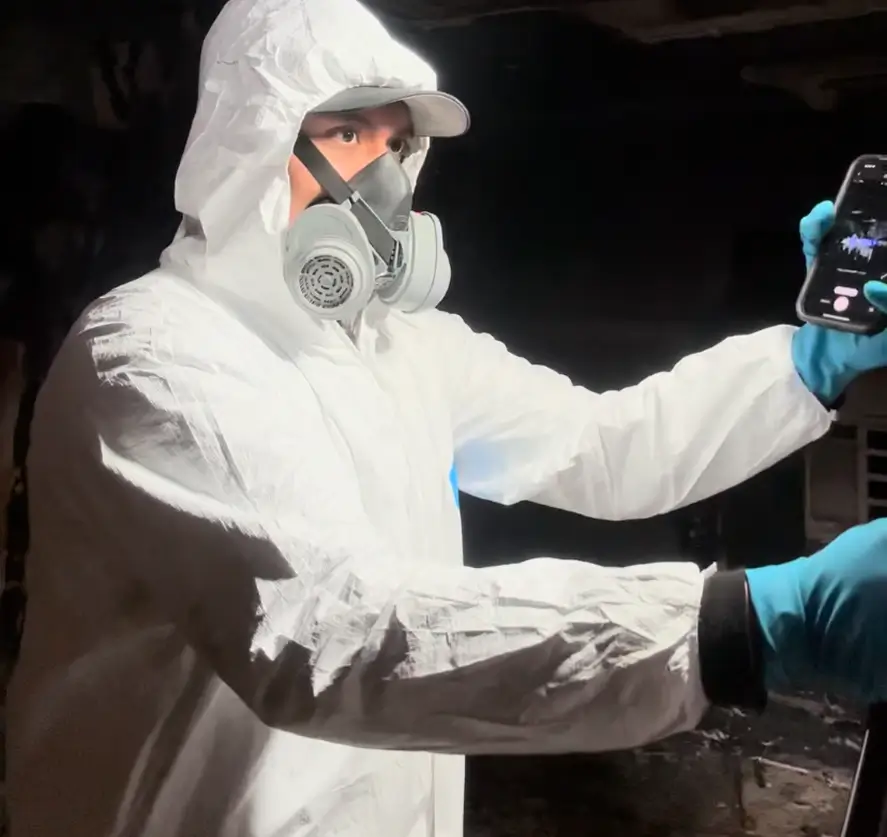
Contact Reliant Investigations for Professional Appliance Fire Investigation Services
Reliant Investigations combines advanced laboratory capabilities with specialized appliance investigation expertise to provide insurance companies with comprehensive analysis of appliance-related fire incidents. Our systematic approach to evidence collection, laboratory analysis, and expert testimony ensures that appliance fire investigations meet the rigorous standards required for successful subrogation and litigation support.
When appliance fire investigations require technical expertise and scientific rigor, our team delivers the professional services that insurance professionals depend on for accurate causation analysis and effective legal support. Contact us through our contact form or call (909) 944-3095 to discuss your appliance fire investigation needs and learn how our comprehensive approach supports successful claim resolution.