
Fireplace & Chimney Fire Investigations
At Reliant Investigations, we bring specialized expertise to fireplace and chimney fire investigations across California and Arizona. Our team includes investigators who specialize in these heating systems, understanding the construction standards, maintenance requirements, and failure modes that distinguish chimney fires from other residential fire causes.

Understanding Fireplace and Chimney Fire Risks
Chimney systems operate under demanding conditions that create multiple potential failure points. Creosote buildup from wood burning accumulates on chimney liners over time, creating a highly flammable fuel source inside the flue. When ignited, creosote burns at extremely high temperatures that can crack clay tile liners, damage metal liners, or ignite wood framing around chimneys. Many homeowners are unaware that creosote accumulation requires regular professional cleaning, allowing dangerous buildup that increases fire risk with each use.
Structural defects in chimney construction represent another major category of fire hazards we investigate. Inadequate clearance between chimneys and combustible framing, missing or damaged chimney liners, and deteriorated mortar joints all create paths for heat to reach structural members. Older chimneys built before modern codes may lack the clearances and fire barriers that current standards require. Renovations and additions sometimes compromise chimney integrity by altering clearances or adding combustible materials near flues. We examine whether construction defects, code violations, or deterioration allowed heat transfer that ignited structural components.
Common Fireplace and Chimney Fire Causes
Creosote ignition accounts for many chimney fires we investigate. This tar-like substance accumulates faster when burning unseasoned wood, operating fireplaces at low temperatures, or using wood species that produce heavy smoke. Once ignited, creosote burns intensely enough to damage even properly constructed chimneys. We examine chimney interiors for creosote deposits, liner damage, and heat indicators that reveal whether creosote ignition occurred and whether the chimney sustained damage that allowed fire spread to structural members.
Clearance violations between chimneys and combustible materials create fire hazards that may not manifest for years after installation. Wood framing placed too close to chimneys gradually dries and chars from repeated heat exposure, lowering its ignition temperature until normal fireplace operation causes ignition. Our in-house laboratory capabilities allow us to examine wood samples microscopically, identifying the progressive charring that indicates long-term heat exposure preceded ignition. This analysis often proves critical in determining whether fires resulted from recent events or represented inevitable outcomes of defective construction.
Our Investigation Approach
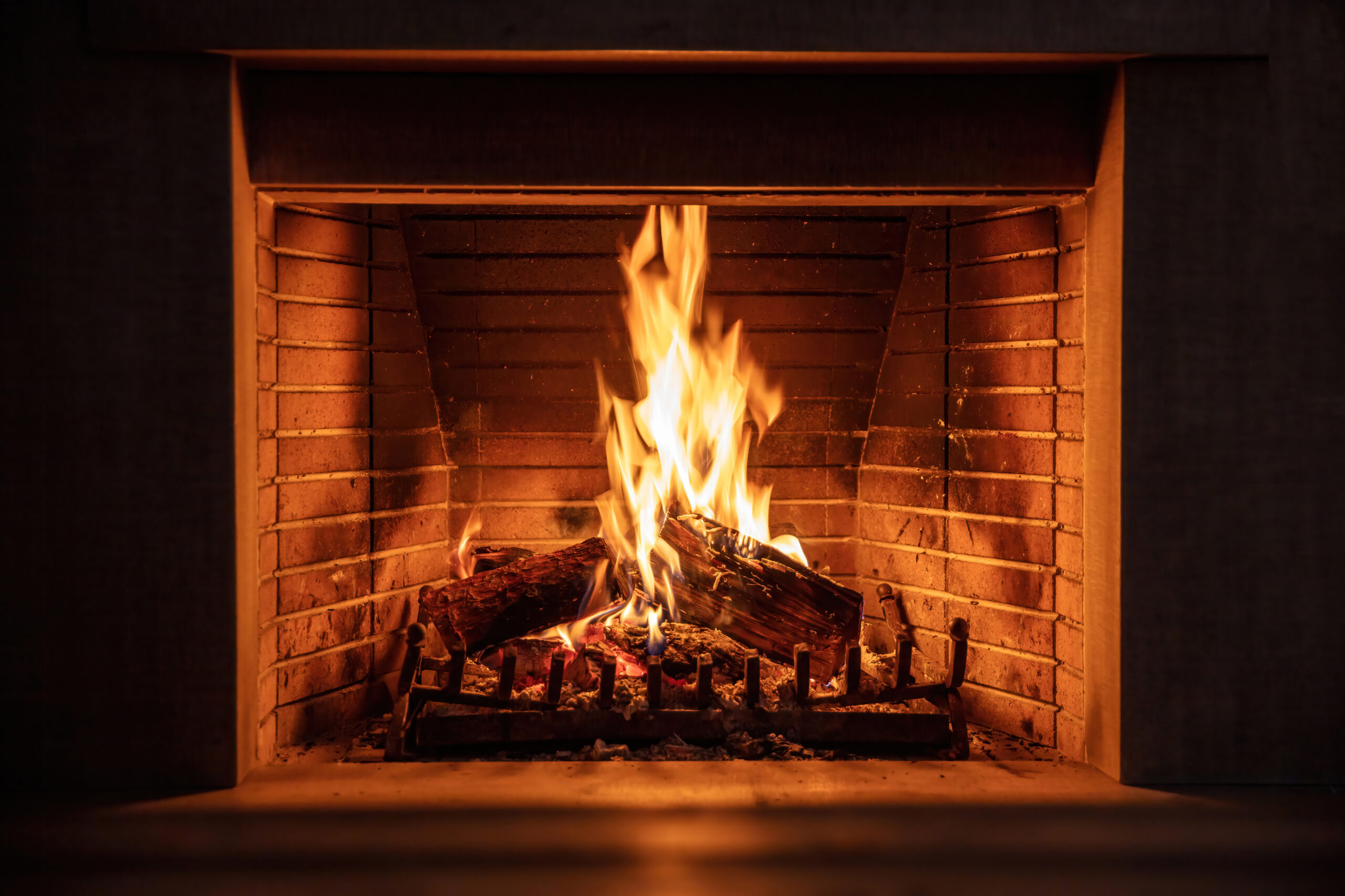
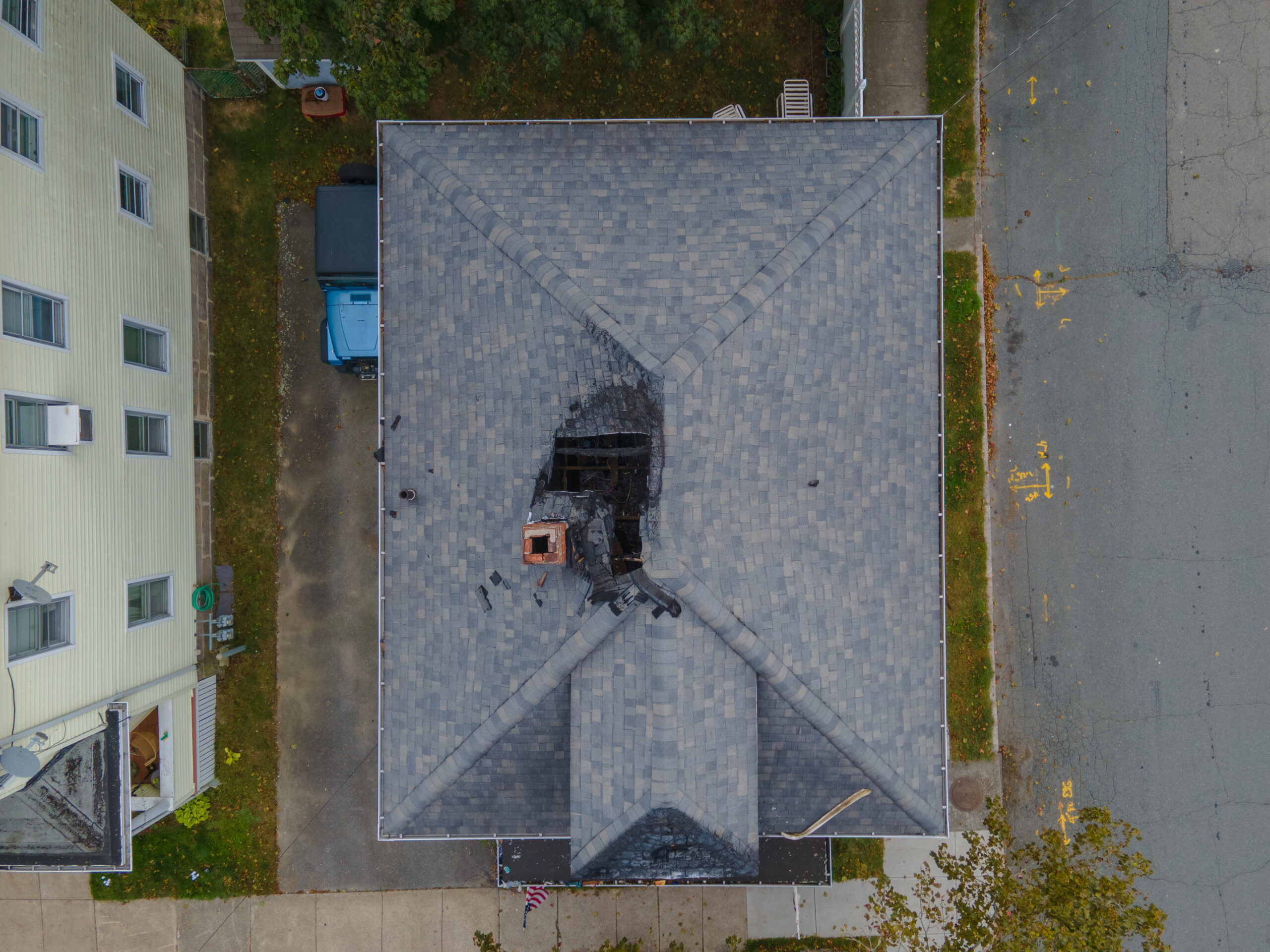
We respond promptly to fireplace and chimney fire scenes because evidence preservation is critical for accurate cause determination. Homeowners naturally want to resume using heating systems, insurance adjusters need to assess damage, and cleanup contractors pressure for access. Our team documents scenes thoroughly before any repairs begin, preserving physical evidence and photographic records of chimney condition, clearances, and fire damage patterns necessary for determining origin and cause.
Supporting Insurance Claims and Litigation
Fireplace and chimney fire claims often involve coverage questions about maintenance responsibilities and pre-existing defects. Insurance policies may exclude damage from lack of maintenance while covering losses from hidden construction defects. We provide detailed reports that document whether fires resulted from creosote buildup that proper maintenance would have prevented, or from structural defects homeowners could not reasonably have discovered. This analysis helps adjusters make informed coverage decisions.
Subrogation opportunities frequently exist in chimney fire cases. Fires may result from defective prefabricated fireplaces, improper installation by contractors, or inadequate inspections that failed to identify hazardous conditions. When fires involve potential claims against manufacturers, installers, or prior owners who concealed defects, our expert witness services provide testimony that supports recovery efforts. We’ve testified in cases involving construction defects, product liability, and contractor negligence related to fireplace and chimney systems.
Why Homeowners and Insurers Choose Reliant Investigations
Fireplace and chimney fire investigation demands specialized knowledge of heating system design, building codes, and the unique combustion conditions these systems create. Our team has investigated fires involving masonry chimneys, prefabricated metal fireplaces, wood stoves, and gas fireplaces throughout California. This experience allows us to recognize installation defects, maintenance failures, and code violations that generalist investigators might overlook.
We understand the emotional impact chimney fires create for homeowners who may have been using their fireplaces for years without incident. These fires often occur during cold weather when families depend on supplemental heat, adding stress to already difficult situations. Our investigation process balances the need for thorough analysis with sensitivity to homeowners’ circumstances. Whether fires resulted from creosote ignition, clearance violations, or equipment defects, we provide clear explanations of causation backed by scientific analysis and proven methodology.
Contact Reliant Investigations
Fireplace and chimney fires threaten homes while raising complex questions about causation, liability, and insurance coverage. Whether you need investigation services for a creosote fire, clearance violation, or suspected equipment defect, Reliant Investigations provides the expertise these cases demand. Our team responds throughout California and Arizona, bringing sophisticated laboratory capabilities and specialized knowledge of heating systems to every investigation.
We recognize what fireplace and chimney fire losses mean for homeowners and the insurance companies serving them. Our investigation process delivers prompt, scientifically sound conclusions that allow claims to resolve fairly while identifying responsible parties when defects or negligence contributed to losses. Contact us today to discuss your fireplace and chimney fire investigation needs.