
Electrical Fire Investigations
Electrical fire investigations require advanced diagnostic capabilities and laboratory analysis to identify specific failure modes in fire-damaged electrical components. Origin and cause fire investigations involving electrical systems present unique challenges that demand systematic examination of circuit protection devices, wiring systems, and electrical equipment to provide insurance companies with scientifically defensible conclusions about causation and liability determination.
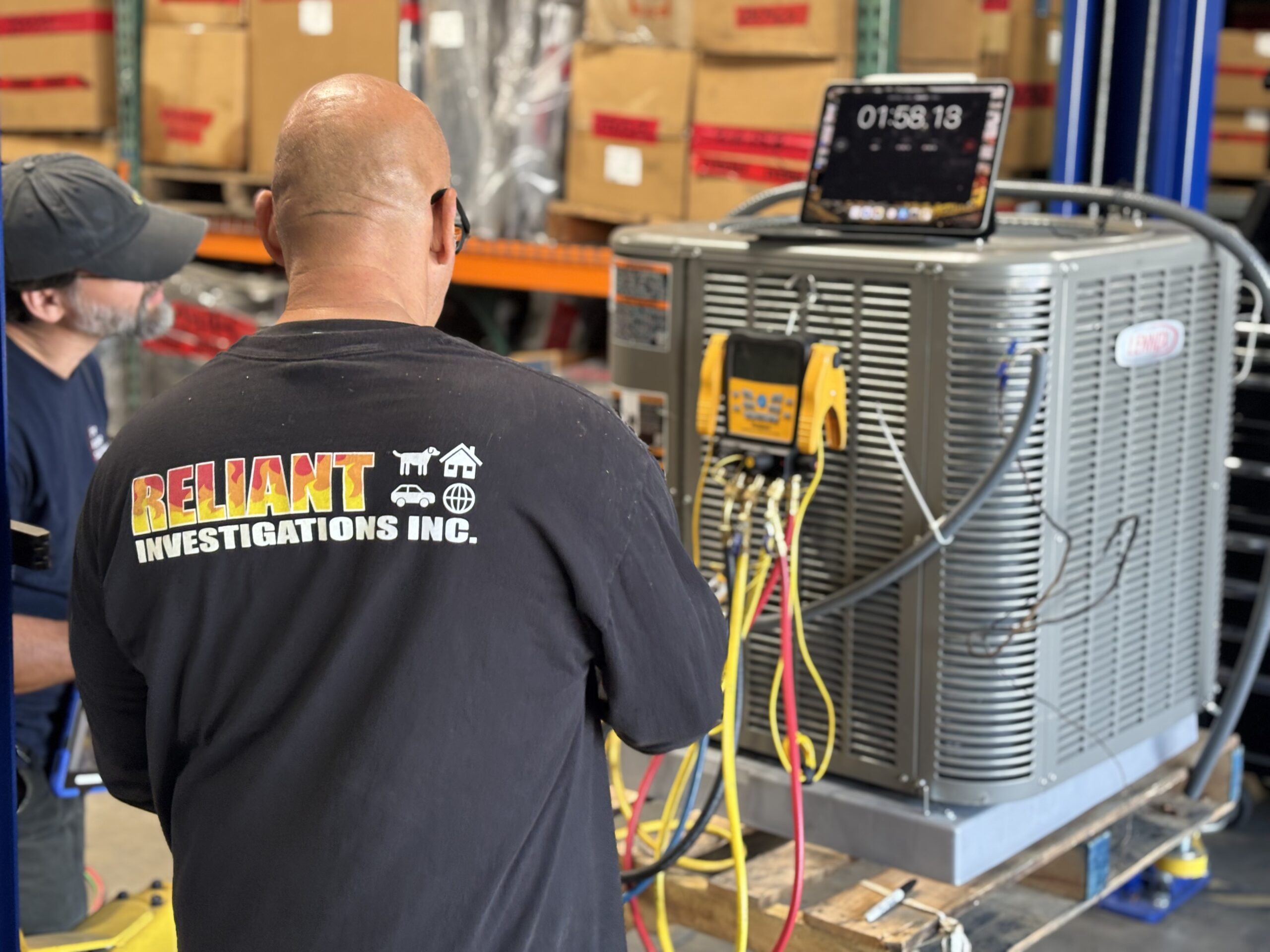
Electrical System Components and Failure Analysis
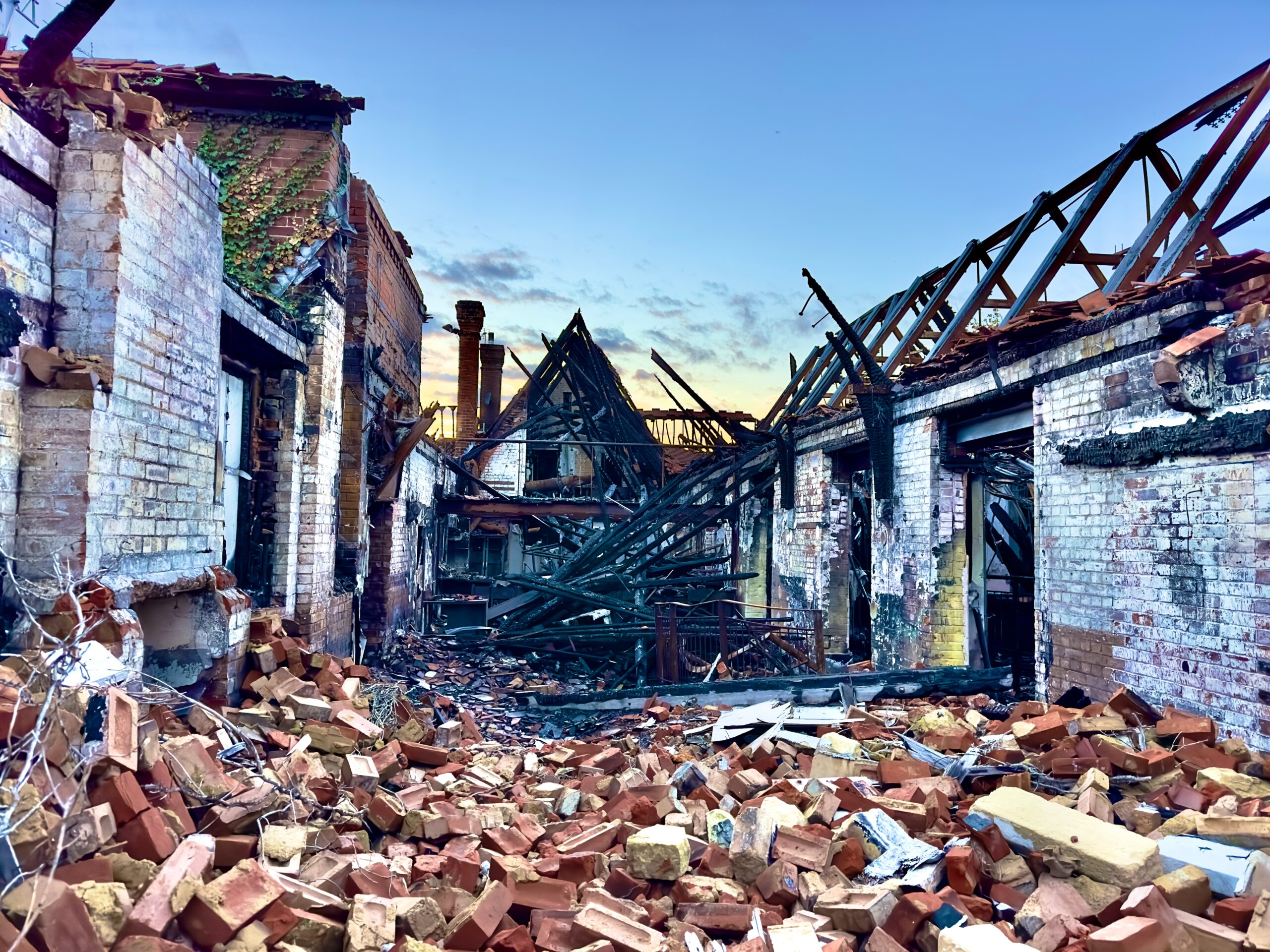
Electrical fires originate from predictable failure mechanisms that experienced investigators can identify through systematic examination of damaged components and electrical systems. Circuit breakers and fuses provide overcurrent protection designed to prevent electrical fires, but these protective devices can fail due to manufacturing defects, improper installation, or exposure to conditions exceeding their design parameters.
Wiring systems deteriorate through normal aging processes, environmental exposure, and mechanical stress that can create dangerous conditions leading to electrical arcing and subsequent ignition of nearby combustible materials. Aluminum wiring installations from the 1960s and 1970s present particular investigation challenges due to known expansion and contraction issues that create loose connections and overheating conditions.
Ground fault circuit interrupter (GFCI) devices and arc fault circuit interrupter (AFCI) protection systems represent modern electrical safety technologies designed to prevent specific types of electrical fires. Investigation of electrical fires in newer construction must include analysis of these protective systems to determine whether they functioned properly or experienced failures that contributed to fire development.
Electrical panels and distribution equipment require specialized examination techniques to identify signs of overheating, arcing, and component failure that may not be immediately apparent through visual inspection. Our in-house laboratory capabilities include advanced diagnostic equipment specifically designed for electrical component analysis and failure mode identification.
Common Electrical Fire Scenarios and Causation Factors
Electrical fires develop through several common scenarios that investigators encounter regularly in residential fire investigations and commercial property incidents. Overloaded circuits create excessive heat in conductors and connections, leading to insulation failure and arcing conditions that can ignite nearby combustible materials.
Extension cord misuse represents a frequent cause of electrical fires, particularly when cords rated for temporary use are employed for permanent installations or when damaged cords continue to be used despite visible deterioration. These scenarios often involve multiple contributing factors including inadequate circuit capacity, improper cord selection, and lack of proper electrical maintenance.
Electrical equipment failures in appliances, lighting systems, and HVAC equipment create fire hazards when internal components overheat or experience electrical faults that exceed the equipment’s protective systems. Investigation of these incidents requires detailed knowledge of equipment design standards and normal operating parameters to identify abnormal conditions that led to fire development. The following electrical components commonly contribute to fire incidents and require specialized investigation techniques:
- Circuit breakers and electrical panels that experience overcurrent conditions or internal component failures
- Aluminum wiring connections that deteriorate due to thermal cycling and galvanic corrosion
- GFCI and AFCI devices that fail to provide intended protection during fault conditions
- Extension cords and temporary wiring used beyond their design limitations
- Electrical outlets and switches that experience arcing due to loose connections or component wear
- Lighting fixtures and ballasts that overheat due to improper installation or component failure
Understanding these common failure modes enables investigators to focus examination efforts on areas most likely to reveal causation evidence and eliminate alternative fire origin theories that lack scientific support.
Expert Testimony and Code Compliance Analysis
National Electrical Code (NEC) compliance analysis determines whether electrical installations met applicable safety standards at the time of construction and identifies potential code violations that may have contributed to fire development. This analysis requires comprehensive knowledge of electrical codes, local amendments, and installation practices that were standard during the original construction period.
Professional installation standards and manufacturer specifications provide objective criteria for evaluating whether electrical work met acceptable industry practices. Deviations from these standards may indicate negligent installation practices that contributed to fire causation and support subrogation efforts against responsible parties.
Courtroom presentations must effectively communicate complex electrical concepts using visual aids, demonstration equipment, and technical diagrams that help juries understand causation relationships and professional standard violations. These presentations require careful coordination with legal counsel to ensure that technical findings support applicable legal theories and damage calculations.
Contact Reliant Investigations for Professional Electrical Fire Investigation Services
Reliant Investigations provides comprehensive electrical fire investigation services designed to meet the specialized needs of insurance companies dealing with complex electrical system failures and code compliance issues. Our advanced laboratory capabilities and electrical investigation expertise ensure that technical findings meet the rigorous standards required for successful subrogation and litigation support in electrical fire cases.
When electrical fire investigations demand scientific rigor and expert analysis, our team delivers the professional services that insurance professionals depend on for accurate causation determinations and effective legal support. Contact us through our contact form or call (909) 944-3095 to discuss your electrical fire investigation needs and learn how our systematic approach supports successful claim resolution and services.