
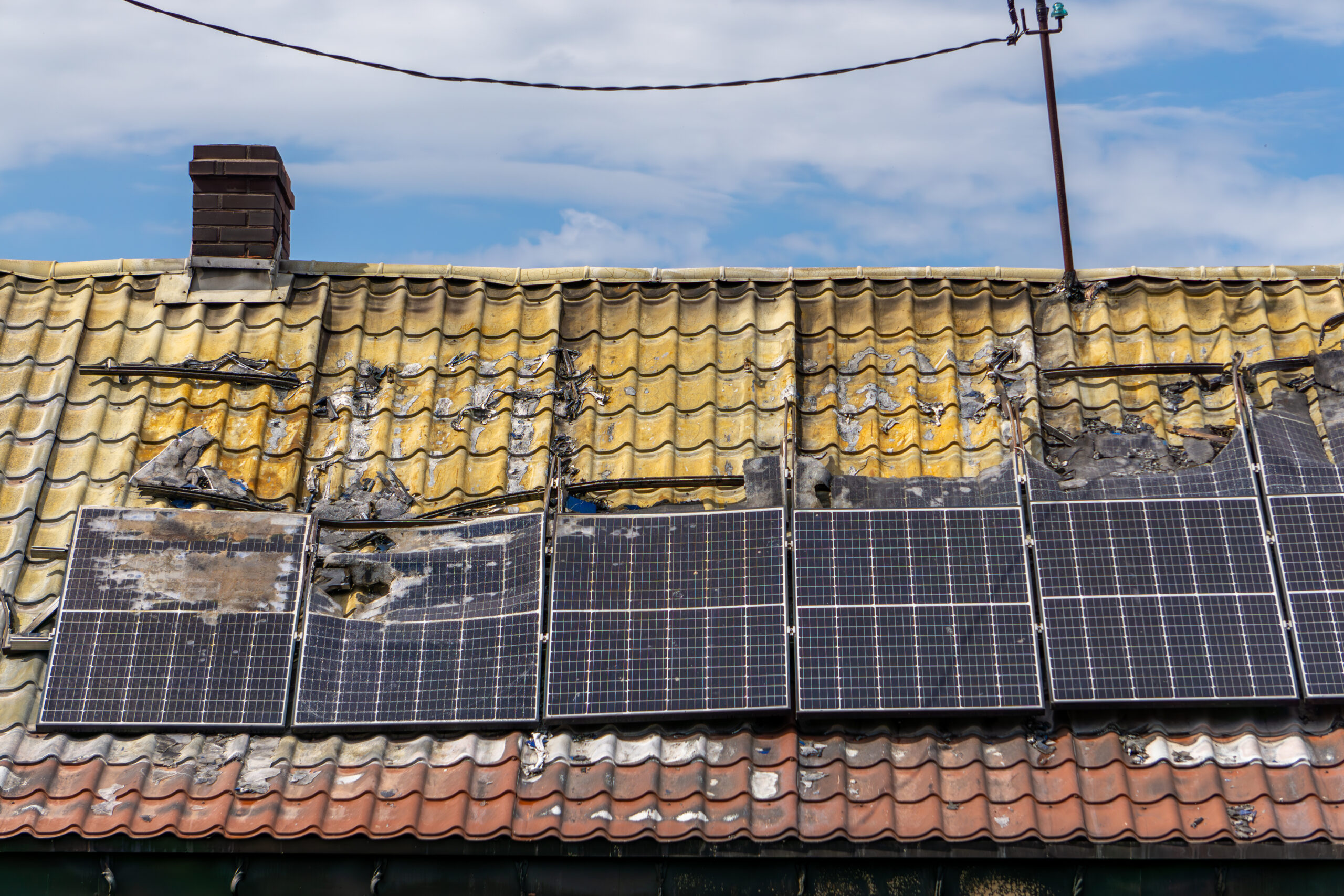

California leads the nation in solar energy adoption, with hundreds of thousands of homes and businesses harnessing sunlight to power their operations. This rapid expansion of photovoltaic systems brings tremendous environmental benefits while creating new fire investigation challenges that many in the insurance and property management industries are only beginning to understand. Solar panel fires present unique technical complexities involving high-voltage DC electrical systems, rooftop installations that complicate firefighting, and multiple potential failure points from panels to inverters to installation methods.
The financial stakes in solar-related fires extend beyond property damage to include lost energy production, system replacement costs, and potential liability claims involving manufacturers, installers, and property owners. At Reliant Investigations, we’ve developed expertise in solar fire investigations as California’s renewable energy market has expanded, understanding the technology, installation standards, and failure modes that make these cases distinct from traditional electrical fires.
Common Solar Fire Causes We Investigate
DC arc faults represent one of the most common ignition sources in solar fires. These sustained electrical arcs generate temperatures exceeding 5,000 degrees Fahrenheit, easily igniting nearby combustible materials including roof sheathing, underlayment, and structural members. Arc faults can result from damaged conductors, loose connections, or failed components within panels themselves. Our in-house laboratory capabilities allow us to examine conductors and connections at microscopic levels, identifying the deterioration or damage that allowed arcing to initiate.
Inverter failures account for another significant category of solar-related fires. These devices convert DC power from panels into AC power buildings can use, operating at high temperatures while managing substantial electrical loads. Component failures within inverters, inadequate ventilation around installation locations, and electrical faults in AC connections between inverters and building systems all create potential ignition sources. We examine whether inverter fires resulted from manufacturing defects, improper installation, or environmental factors that caused premature failure.
Regulatory and Code Compliance Considerations
Solar installations must comply with electrical codes, building codes, and fire safety standards that many contractors installing systems don’t fully understand. California adopted specific requirements for solar installations including rapid shutdown capabilities that de-energize rooftop conductors during emergencies. Not all systems comply with current standards, particularly older installations predating recent code changes. We examine whether systems met applicable codes when installed and whether required safety features functioned as designed during fire events.
Permitting and inspection records provide crucial context for solar fire investigations. Many jurisdictions require permits for solar installations with inspections verifying code compliance before systems energize. Installations completed without proper permits may lack required safety features or contain code violations that contributed to fires. We review available permitting documentation, comparing installed conditions to approved plans and identifying deviations that may explain fire causes. This analysis often proves critical when determining liability between property owners, installers, and equipment manufacturers.
Insurance and Liability Implications
Solar fire claims involve complex liability questions affecting property owners, installation contractors, equipment manufacturers, and potentially utilities. Determining whether fires resulted from product defects, installation errors, or maintenance failures drives coverage decisions and subrogation opportunities. Property insurance may cover fire damage while separate equipment breakdown policies address system losses. Installation contractors carry liability insurance that responds to claims alleging improper workmanship, while manufacturers face potential product liability claims for defective components.
Subrogation potential in solar fires often exceeds typical residential fire cases given the multiple parties involved in system supply and installation. When evidence indicates manufacturing defects caused failures leading to fires, carriers may recover substantial sums from deep-pocket defendants. Installation error cases involve contractor liability insurance, with potential additional recovery from professional liability policies. Our expert witness services support carriers pursuing subrogation by providing testimony that explains technical failures in terms juries understand while withstanding challenges from opposing experts.
The Future of Solar Fire Investigation
California’s continued expansion of solar energy means investigators will encounter these cases with increasing frequency. As systems age, degradation-related failures will emerge alongside the installation defects and manufacturing issues currently driving most solar fires. Second-generation ownership transfers systems to buyers who may not understand maintenance requirements or recognize degradation warning signs. Insurance industry adaptation to these risks requires adjusters who understand solar technology and investigators qualified to examine these specialized systems.
Emerging technologies including battery storage systems add complexity to solar installations while creating new fire risks. Lithium-ion batteries store substantial energy in compact spaces, with thermal runaway failures potentially causing intense fires. Combined solar-plus-storage systems involve additional electrical components, control systems, and potential failure modes. Investigators working these cases need training beyond traditional fire investigation, understanding both photovoltaic and energy storage technologies.
Contact Reliant Investigations Today
Solar panel fires represent an emerging category of fire investigation requiring specialized knowledge that traditional training doesn’t provide. As California continues expanding renewable energy adoption, these incidents will become increasingly common. Whether you need investigation services for a residential rooftop system fire, commercial installation loss, or complex case involving battery storage, Reliant Investigations provides the technical expertise these specialized cases demand.
Our team understands solar technology, installation standards, and the regulatory environment governing photovoltaic systems throughout California. We apply the same rigorous scientific methodology to solar investigations that we bring to all fire investigation work, delivering conclusions that withstand scrutiny. Contact us today to discuss your solar fire investigation needs.