
Vehicle Fire Investigations
Comprehensive Vehicle Fire Analysis
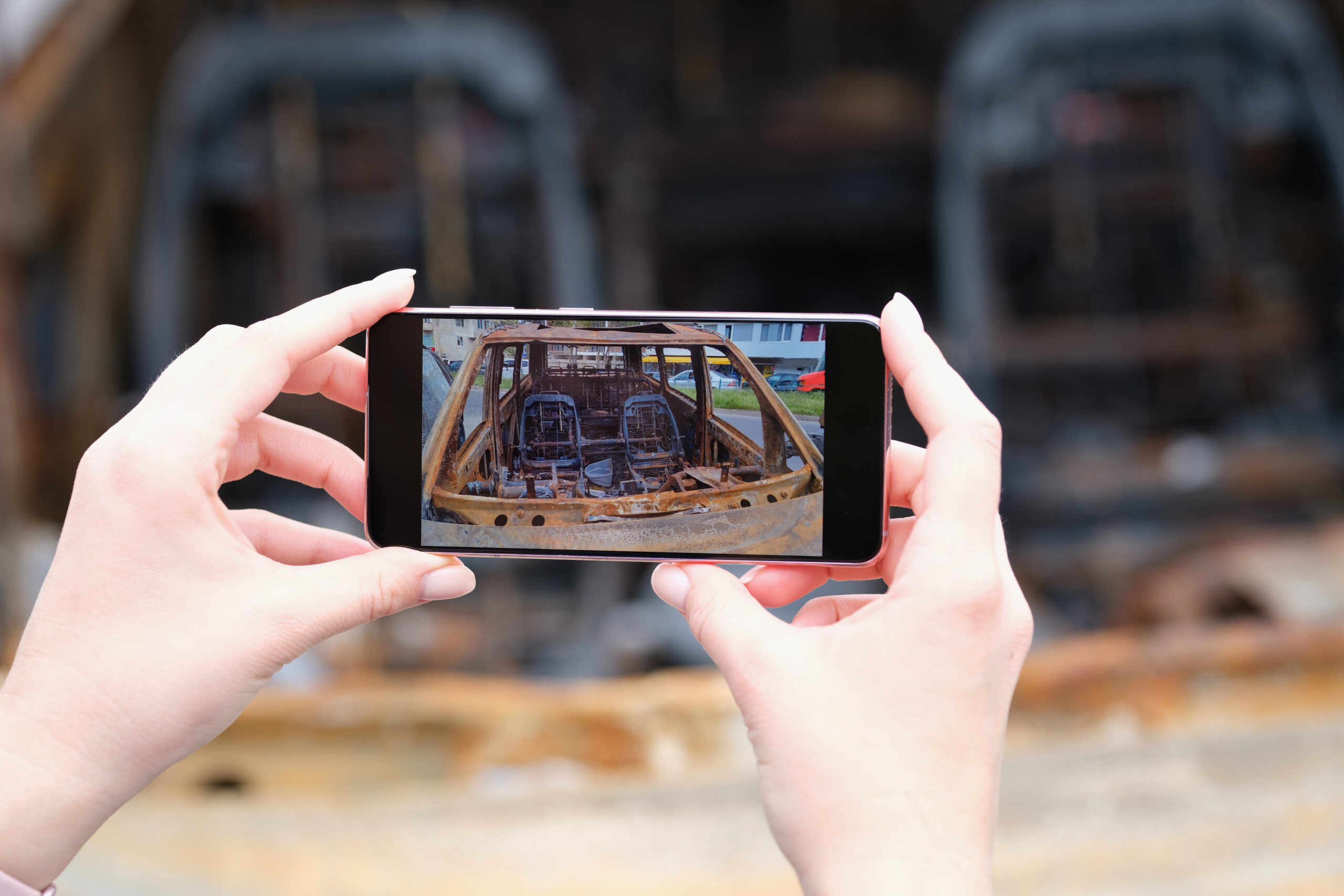
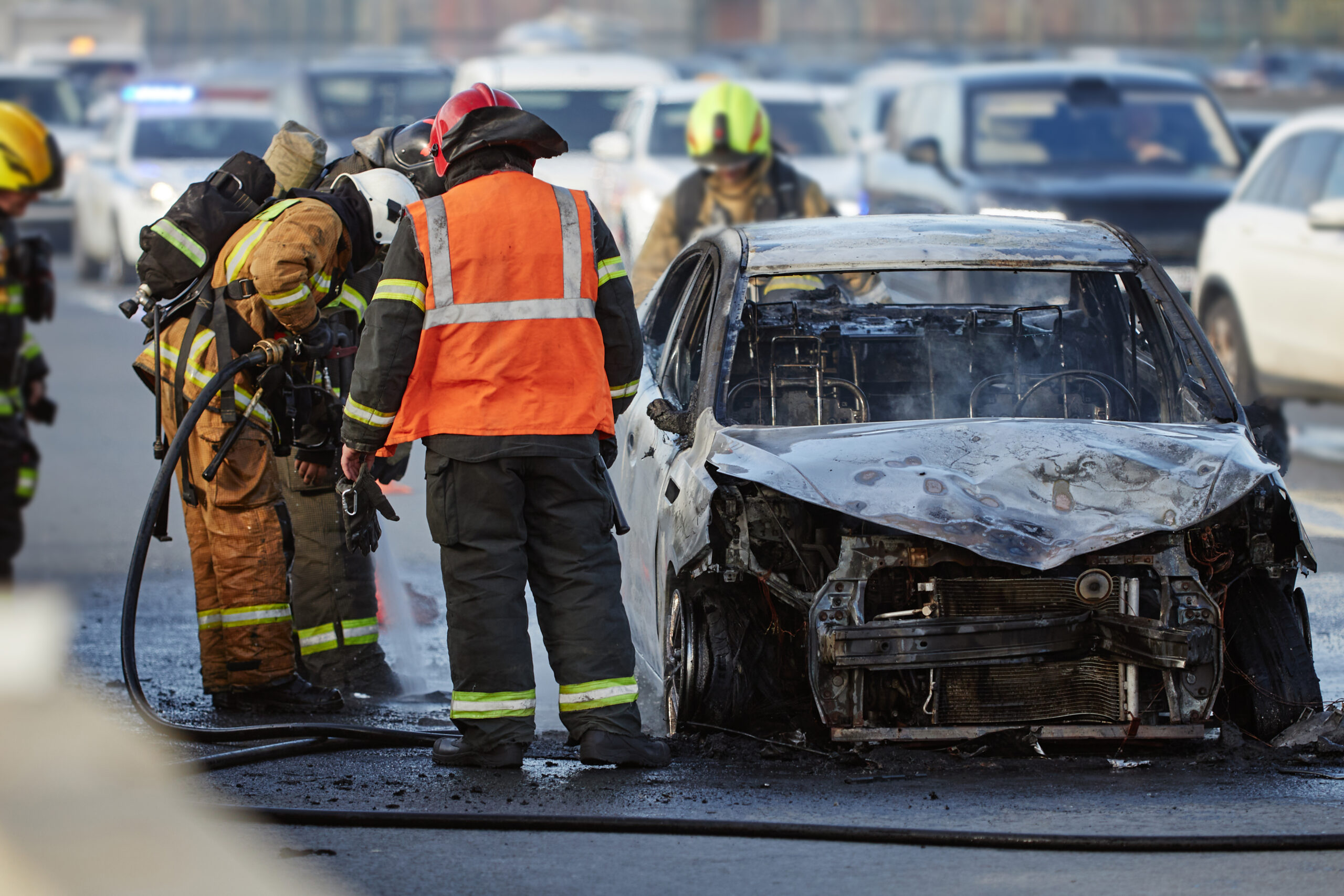
Vehicle fire investigations begin with securing the scene and documenting the burn patterns, debris field, and witness statements. Our team responds quickly to preserve critical evidence before it can be disturbed or contaminated. The initial assessment focuses on identifying the area of origin through careful analysis of heat damage, melting patterns, and structural collapse indicators.
Our investigators examine multiple systems that could potentially cause vehicle fires, including fuel delivery systems, electrical wiring harnesses, exhaust components, and brake systems. Each system requires different analytical approaches and specialized knowledge. For example, fuel-related fires often show distinct burn patterns compared to electrical fires, while brake system failures create unique heat signatures that experienced investigators can identify.
The vehicle inspection bay with automotive lift allows detailed examination of undercarriage components that might otherwise be inaccessible. This capability proves essential when investigating fires involving exhaust system failures, fuel line ruptures, or transmission overheating. Access to all vehicle systems ensures no potential ignition source goes unexamined during the investigation process.
Electric Vehicle and Battery Fire Investigations
The growing prevalence of electric and hybrid vehicles has created new challenges in fire investigation. Lithium-ion battery systems can experience thermal runaway, creating intense fires that burn differently than traditional automotive fires. These investigations require understanding of high-voltage electrical systems, battery management electronics, and charging infrastructure.
Our team has extensive experience investigating Tesla, Mercedes, and other electric vehicle fires throughout California. These cases often involve complex technical analysis of battery cell construction, cooling systems, and electrical management components. The investigation process includes thermal imaging analysis to identify heat distribution patterns and determine which battery cells were involved in the initial failure.
Battery fire investigations frequently require coordination with vehicle manufacturers, charging station operators, and specialized technical consultants. Our expert witness certification and federal court qualifications ensure our findings can withstand legal scrutiny when these cases proceed to litigation or insurance dispute resolution.
Fuel System and Engine Component Analysis
Traditional vehicle fires often originate from fuel system malfunctions, engine overheating, or electrical component failures. These investigations require systematic examination of fuel lines, injection systems, carburetors, and related components. Our investigators understand how different automotive fuels burn and the characteristic patterns they create during fire development.
Engine compartment fires present particular challenges because of the dense concentration of potential ignition sources. Alternators, starters, ignition systems, and exhaust manifolds all operate at temperatures that could ignite fuel vapors or other combustible materials. Determining which component actually initiated the fire requires careful analysis of burn patterns, component positioning, and operational history.
Our in-house laboratory capabilities allow immediate analysis of recovered components without delays associated with third-party testing facilities. Digital X-ray imaging systems can examine internal component damage without destroying evidence, while high-resolution microscopy reveals details about failure mechanisms and manufacturing defects.
Arson and Intentional Fire Detection
Vehicle arson cases require specialized investigative techniques to identify accelerant use and distinguish between accidental and intentional fires. Our ignitable liquid detection canine can identify trace amounts of gasoline, diesel fuel, or other accelerants that might indicate arson. These cases often involve insurance fraud investigations or criminal proceedings requiring the highest standards of evidence handling.
The investigation process includes detailed photography, evidence collection, and witness interviews to establish timelines and identify potential motives. Burn pattern analysis helps distinguish between fires started with accelerants and those resulting from mechanical failures. Our investigators work closely with law enforcement agencies and insurance carrier representatives to ensure proper evidence handling throughout the investigation.
Chain of custody procedures become critical in suspected arson cases, as evidence may be required for criminal prosecution. Our PMI tracking system maintains detailed documentation of evidence handling from initial collection through final disposition, ensuring admissibility in court proceedings.
Specialized Vehicle Types and Commercial Fleets
Commercial vehicle fires present additional complexities due to specialized equipment, modified systems, and regulatory requirements. Fleet vehicles, delivery trucks, construction equipment, and emergency vehicles all have unique characteristics that affect fire behavior and investigation procedures. Our team has experience with diverse vehicle types and understands the operational stresses that commercial vehicles experience.
Some commercial vehicle investigations require analysis of:
- Hydraulic system failures in construction equipment
- Refrigeration unit malfunctions in delivery vehicles
- Emergency lighting systems in police and fire department vehicles
- Power take-off systems in utility trucks
- Modified electrical systems for specialized equipment
These investigations often involve multiple insurance carriers, equipment manufacturers, and regulatory agencies. Our systematic approach ensures all stakeholders receive accurate information about fire causation and contributing factors.
Contact Reliant Investigations for Vehicle Fire Analysis
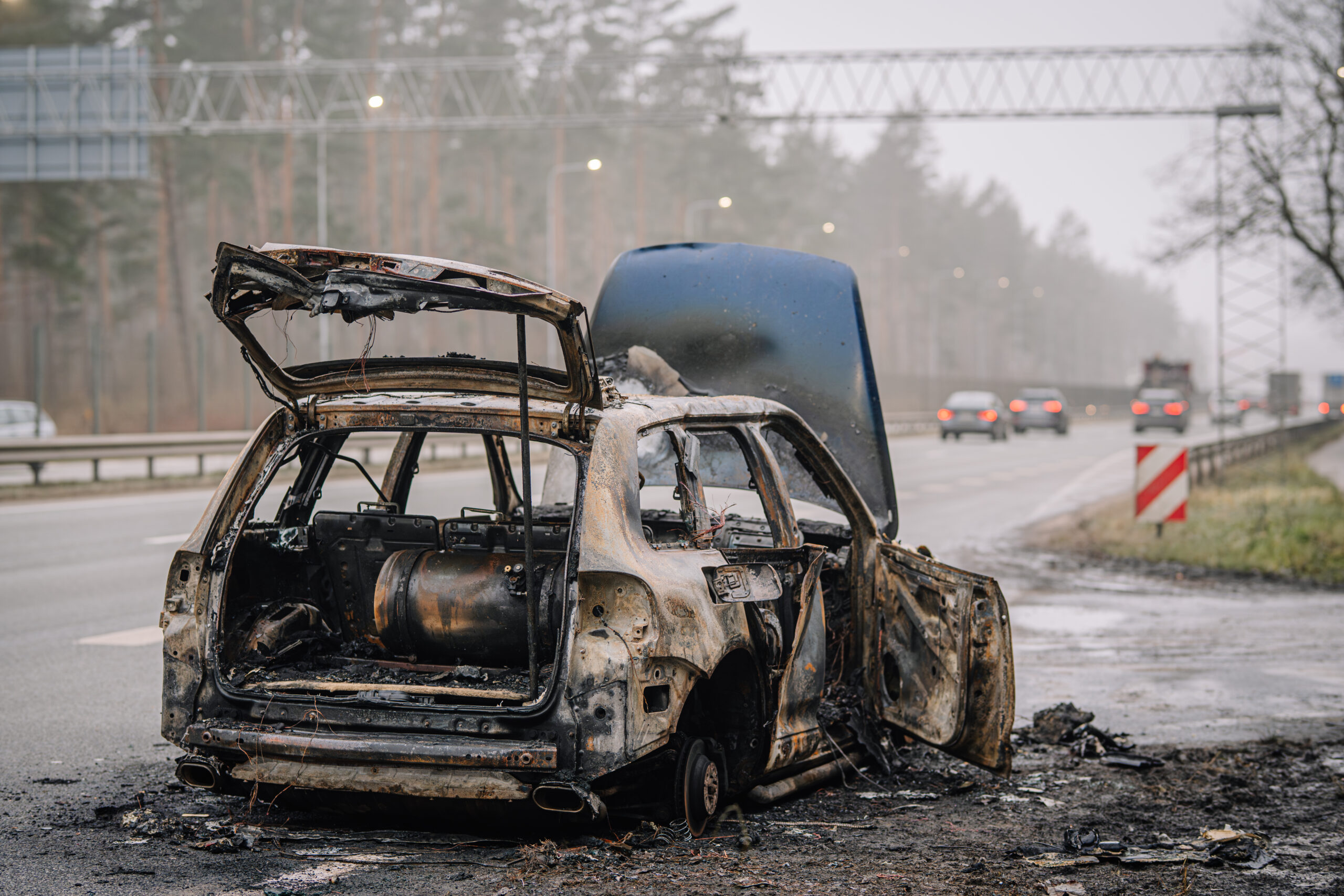
Vehicle fire investigations require specialized knowledge, proper equipment, and systematic analytical procedures to determine accurate cause and origin findings. Our team combines decades of automotive and fire investigation experience with state-of-the-art laboratory capabilities to provide reliable results for insurance companies, attorneys, and fleet operators throughout California and Arizona.
Reliant Investigations maintains specialized vehicle inspection facilities and responds quickly to preserve critical evidence before it can be compromised. Our certified investigators hold professional credentials and federal court qualifications that ensure our findings meet the highest professional standards. When you need thorough, accurate vehicle fire investigation services, contact us at (909) 944-3095 or submit your case details through our secure contact form.