
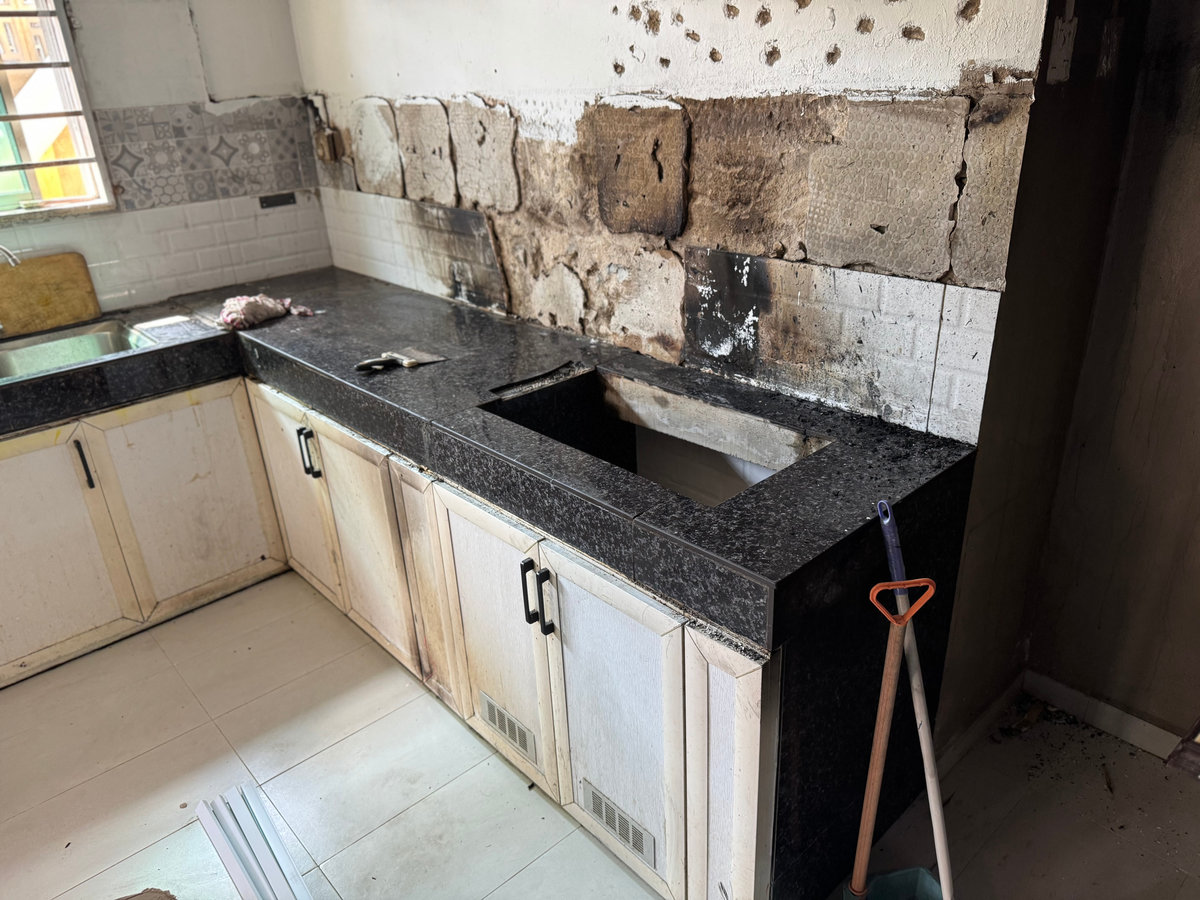

Kitchen appliance fires account for nearly half of all home fire incidents, with cooking equipment leading as the primary cause of residential blazes according to the National Fire Protection Association. Insurance adjusters face a critical challenge when handling these claims: determining whether the loss resulted from user error, normal product failure, or a manufacturing defect that creates product liability exposure. The distinction matters tremendously, as product liability cases shift financial responsibility from your insured policyholder to the manufacturer, protecting your loss ratio while ensuring appropriate parties bear the cost of defective products.
At Reliant Investigations, we’ve investigated thousands of kitchen appliance fires throughout California and Arizona, developing specialized techniques for identifying manufacturing defects, design flaws, and component failures in everything from air fryers to coffee makers. Our in-house laboratory capabilities and digital X-ray systems allow us to examine appliances non-destructively, preserving critical evidence while identifying the exact failure point that caused the fire. When product liability is on the table, our comprehensive investigation approach and expert witness credentials give insurance companies the documentation they need to pursue successful subrogation.
The Rise of Kitchen Appliance Fires
Modern kitchens contain more electrical appliances than ever before, each representing a potential fire hazard when defects occur. Air fryers have exploded in popularity over the past five years, but this convenience comes with risk. These devices operate at high temperatures with powerful heating elements, and when thermal controls fail or wiring shorts, the results can be catastrophic.
Coffee makers represent another frequent fire source. These appliances often run on timers, operating while homeowners sleep or are away from home. A faulty heating element that doesn’t shut off can ignite surrounding materials, and because the failure occurs during unattended operation, the fire may progress significantly before discovery. We’ve documented cases where coffee maker fires caused hundreds of thousands of dollars in damage, all traceable to a $2 thermal cutoff switch that failed to function as designed.
Toaster ovens, pressure cookers, slow cookers, and stand mixers all generate heat through electrical resistance. Each appliance contains multiple components that can fail, including thermostats, timers, heating elements, control boards, and wiring connections. Small appliance fires require specialized investigation techniques because the evidence is compact, often severely damaged, and requires laboratory analysis to definitively identify the failure mechanism.
Common Manufacturing Defects in Kitchen Appliances
Product liability claims typically fall into three categories: manufacturing defects, design defects, and failure to warn. Manufacturing defects occur when a specific unit varies from the intended design due to a mistake in the production process. A thermal fuse installed backward, a wire connection that wasn’t properly crimped, or a heating element with insufficient insulation all represent manufacturing defects.
Design defects affect entire product lines rather than individual units. If an air fryer’s thermal control system can’t adequately regulate temperature under normal use conditions, every unit from that production run carries the same hazard. These cases often involve multiple fire incidents across different locations, creating patterns that experienced investigators recognize. We maintain databases of appliance fire incidents that help identify when similar failures are occurring with specific models or manufacturers.
Inadequate thermal protection represents one of the most common design issues we encounter. Appliances need multiple layers of safety features: primary temperature controls, secondary thermal cutoff switches, and adequate spacing between heat sources and combustible housing materials. When manufacturers cut costs by eliminating redundant safety systems or using cheaper components, they create products that may function normally for months or years before a failure triggers a fire.
Investigation Techniques for Appliance Fires
Examining a severely fire-damaged appliance requires systematic methodology and specialized equipment. We begin by photographing the appliance in place at the fire scene, documenting its position relative to other materials and the overall burn pattern. This context helps establish whether the appliance was the true fire origin or if flames from another source damaged it secondarily.
Our digital X-ray imaging systems allow us to examine internal components without destructive disassembly. This non-invasive approach preserves the appliance in its post-fire condition, crucial for defending findings in litigation. X-ray imaging can reveal internal short circuits, failed components, and manufacturing defects that wouldn’t be visible from external examination alone.
Laboratory analysis follows the initial scene examination. We carefully disassemble the appliance while documenting each step, preserving the chain of custody that courts require for evidence admissibility. Microscopic examination of wire connections can reveal whether a short circuit occurred before or after the fire, distinguishing between cause and effect. Testing of thermal protection devices determines whether they functioned as designed or failed, allowing the fire to progress unchecked.
Establishing Product Liability vs. User Error
Insurance adjusters need clear evidence distinguishing product defects from misuse before pursuing subrogation against manufacturers. User error claims are common defenses in appliance fire litigation, with manufacturers arguing that consumers operated products contrary to instructions or modified them in ways that created hazards.
Documentation becomes critical in defeating these defenses. We examine whether the appliance shows signs of modification, improper cleaning, or operation in environments exceeding rated specifications. Coffee makers designed for home use but operated in commercial settings, air fryers used with extension cords inadequate for their amperage draw, or appliances with blocked ventilation all present complications for product liability claims.
However, when our investigation reveals that an appliance failed during normal operation, maintained according to manufacturer instructions, and the failure point clearly results from inadequate component quality or design, you have the foundation for successful subrogation. Our expert witness credentials and court experience help insurance companies present these technical findings in litigation, recovering losses that shouldn’t burden policyholders.
Reliant Investigations’ Appliance Fire Investigation Capabilities
When kitchen appliance fires threaten your loss ratios or present potential product liability opportunities, Reliant Investigations delivers the technical analysis insurance companies need. Our certified fire investigators combine decades of hands-on experience with the most advanced diagnostic equipment available in California, including in-house laboratory facilities that expedite evidence processing and reduce your investigation costs.
We understand the financial pressures adjusters face and the importance of identifying subrogation potential early in the claims process. Our systematic investigation methodology identifies product defects while they’re still provable, preserving evidence according to legal standards that withstand aggressive defense challenges. From initial origin and cause investigation through courtroom testimony, we provide the comprehensive technical support that turns kitchen appliance fires into successful subrogation recoveries. Contact Reliant Investigations today to discuss how our specialized appliance fire investigation capabilities can protect your company’s financial interests while holding negligent manufacturers accountable.