
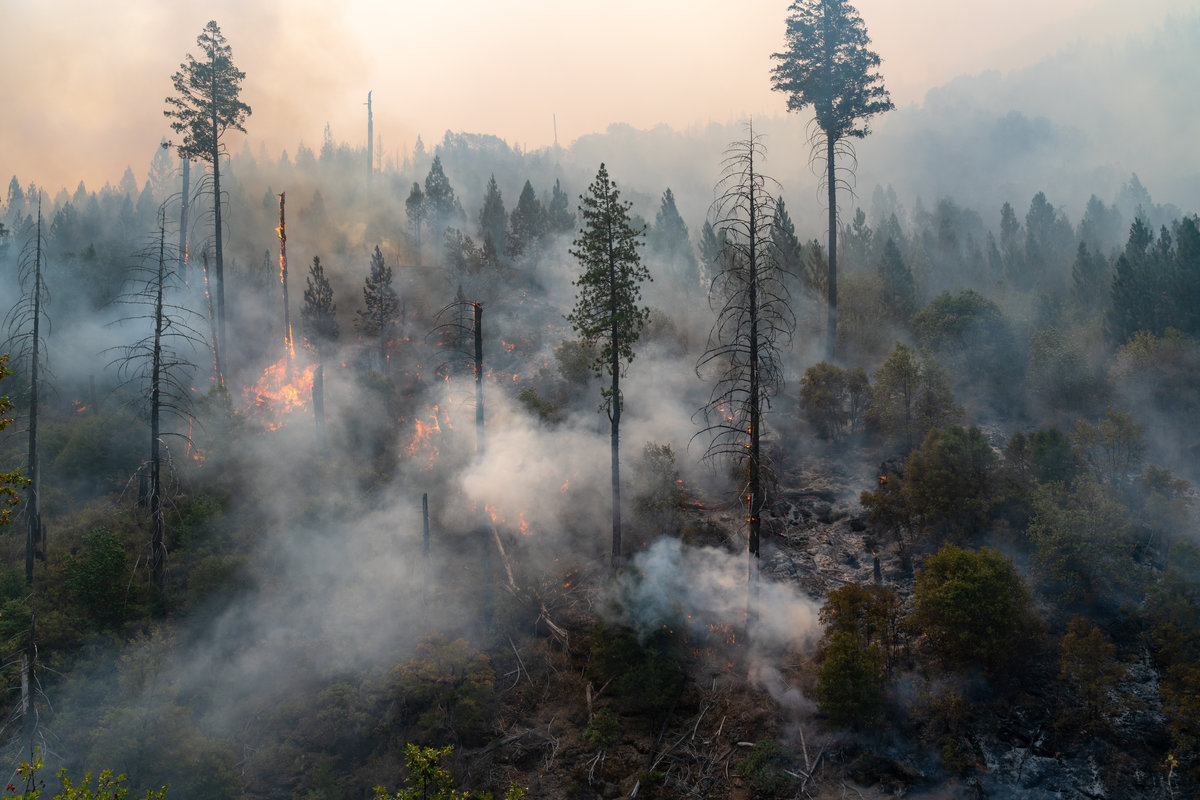

When handling California Fair Plan fire claims, adjusters face unique regulatory requirements that go beyond standard homeowners’ policies. California law mandates third-party investigation for certain fire claims to ensure unbiased findings, and understanding these compliance obligations is critical for protecting both your company and policyholders.
Fire investigation services play a vital role in meeting these regulatory standards while supporting fair claim outcomes. Insurance carriers working with California Fair Plan policies need investigators who understand both the technical aspects of origin and cause determination and the specific legal framework governing these claims. The process requires systematic documentation, proper evidence handling, and adherence to California’s insurance regulations.
California Law’s Third-Party Investigation Requirement
California regulations require insurance companies to obtain independent third-party opinions on certain fire claims to eliminate bias and ensure fair treatment. This legal safeguard protects policyholders while giving carriers confidence in their investigation findings. The requirement applies specifically to California Fair Plan policies, which already serve high-risk properties in wildfire-prone areas where investigation complexity increases.
For adjusters, this means you cannot rely solely on internal evaluations when making coverage determinations. Third-party investigators must conduct independent scene examinations, interview witnesses, and analyze physical evidence without carrier influence. The investigation must follow fire science principles and document findings according to NFPA 921 guidelines.
Evidence Documentation and Chain of Custody Standards
Regulatory compliance demands meticulous evidence handling from scene arrival through final report delivery. Laboratory analysis often becomes necessary when ignitable liquid presence is suspected or when material testing could determine fire origin. Every piece of evidence must maintain a documented chain of custody to ensure admissibility in potential subrogation or fraud cases.
California Fair Plan claims frequently involve properties with previous fire damage or modifications that complicate origin determination. Investigators must photograph and document pre-existing conditions, collect samples following proper protocols, and maintain evidence security throughout testing. Digital imaging and comprehensive scene documentation create the record needed to support coverage decisions and defend against bad-faith allegations.
Coordination With Law Enforcement and Fire Officials
Many California Fair Plan fire claims require coordination between insurance investigators, fire departments, and law enforcement. When arson is suspected or criminal activity appears involved, adjusters must understand how regulatory requirements affect investigation timing and evidence access. Third-party investigators serve as liaisons between carriers and public agencies, ensuring compliance while preserving evidence for civil proceedings.
Fire marshal determinations often precede insurance investigations, but these findings do not replace the third-party requirement. Your investigator must conduct an independent analysis even when official fire reports exist. This dual examination process protects carriers from relying solely on understaffed fire departments while ensuring policyholders receive thorough investigation attention.
Reporting Standards and Timeline Requirements
California Fair Plan investigations must produce reports meeting specific content and timing standards. Adjusters need findings delivered quickly enough to meet claim handling deadlines while ensuring thorough investigation. The report must document scene conditions, witness statements, evidence collection, testing results, and origin determination with supporting rationale.
Compliance requires reports structured to withstand regulatory scrutiny and potential litigation. Investigators must explain their methodology, cite relevant fire science principles, and support conclusions with physical evidence. When expert witness testimony becomes necessary for coverage disputes or subrogation cases, the investigation documentation must meet courtroom admissibility standards, including proper qualifications and recognized federal standards.
Subrogation Considerations for California Fair Plan Claims
California Fair Plan policies often present significant subrogation opportunities when manufacturer defects, utility equipment failures, or third-party negligence cause fires. Regulatory compliance requirements directly impact subrogation success because investigation quality determines whether carriers can recover claim costs. Adjusters must ensure third-party investigators identify responsible parties early and preserve evidence supporting potential recoveries.
Documentation requirements increase substantially when subrogation appears likely. Your investigator must establish causation with specificity, identify product serial numbers, photograph defects, and maintain evidence integrity for future litigation. Early identification of potential defendants allows carriers to issue preservation letters and prevent evidence destruction. These steps become particularly important with California Fair Plan claims, where property values and claim costs justify aggressive subrogation pursuit.
Working With Qualified Third-Party Investigators
Reliant Investigations brings systematic methodology to California Fair Plan fire investigations, combining technical fire science skills with regulatory compliance knowledge. Our investigators document findings according to California standards while maintaining communication throughout the claim process. From initial scene response through final report delivery, we handle the third-party investigation requirements that allow adjusters to make confident coverage decisions. Contact us online to discuss how our investigation services support your California Fair Plan claim handling. Our team serves insurance carriers throughout California and Arizona, providing the independent analysis required for regulatory compliance while identifying subrogation opportunities and supporting fair claim outcomes.