
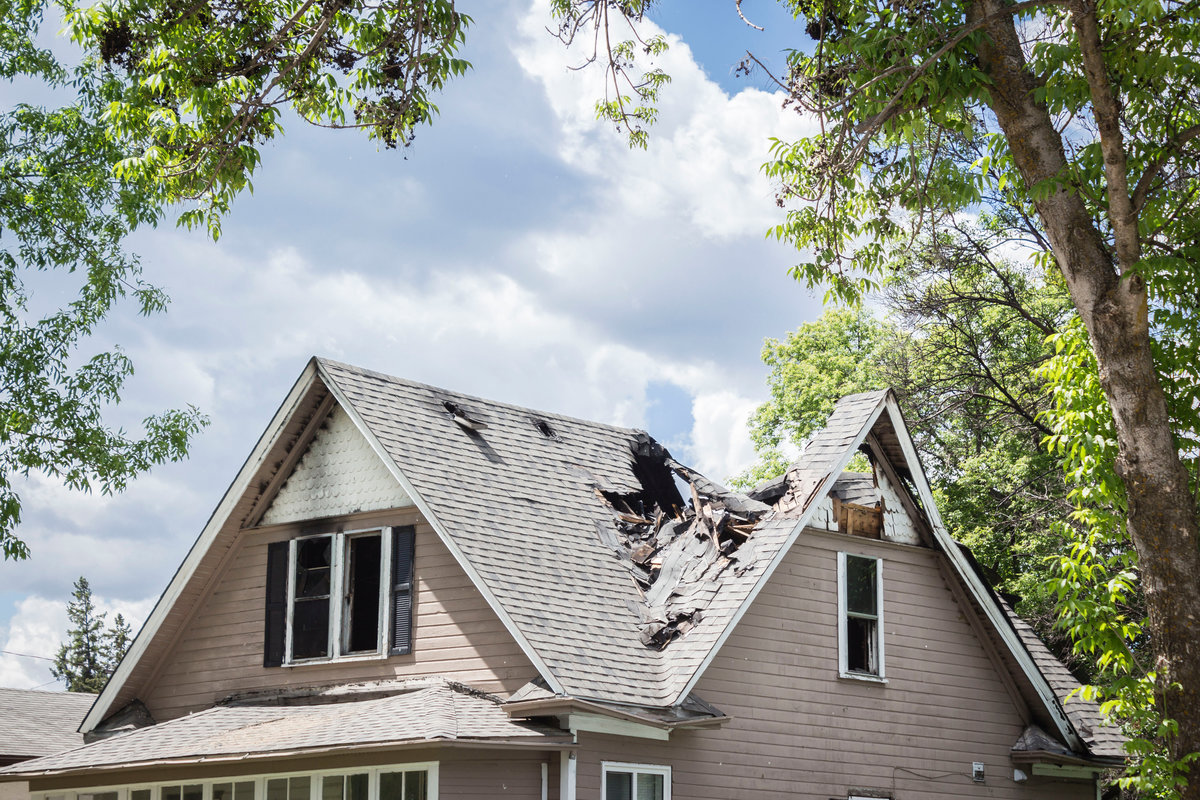

When insurance adjusters delay fire scene investigations by even 48 hours, claim costs can increase by thousands of dollars due to evidence degradation, additional structural damage, and lost subrogation opportunities. The first 24 hours after a fire incident determine the quality of evidence collection, the accuracy of origin and cause determination, and ultimately the financial outcome of the claim.
For insurance carriers handling fire claims across California and Arizona, we know time is your most valuable asset. Our origin and cause fire investigations prioritize rapid deployment to preserve critical evidence before weather, cleanup crews, or additional exposure compromises your ability to determine accurate cause and origin.
Evidence Degradation Begins Immediately
Fire scenes are inherently unstable environments. Within hours of a fire, multiple factors begin compromising evidence quality. Rain washes away burn patterns and destroys electrical evidence. Wind disperses debris that could reveal ignition sequences. Temperature fluctuations cause additional material breakdown.
The National Fire Protection Association documents how evidence integrity decreases exponentially with each passing hour. Ignitable liquid residues evaporate. Accelerant patterns fade. Witness memories become less reliable. When our investigators arrive within 24 hours, we document the scene in its most pristine state possible, capturing details that may vanish by the second day.
Financial Impact of Investigation Delays
Insurance carriers face direct financial consequences when fire investigations are postponed. Additional weather exposure means higher property damage costs. Delayed evidence collection weakens subrogation cases against responsible parties like manufacturers or utility companies. Extended claim timelines increase total loss reserves and administrative expenses.
Consider a residential fire where a delayed investigation prevents accurate appliance identification. Without timely evidence collection, the carrier loses the ability to pursue subrogation against the appliance manufacturer. A claim that could have recovered $150,000 through subrogation instead becomes a full loss. Our in-house laboratory capabilities can detect trace evidence others might miss, but only when evidence is preserved quickly.
Witness Availability and Memory Degradation
Witnesses are most accessible and their memories most accurate in the immediate aftermath of a fire incident. Within 24 hours, we can typically interview property owners, neighbors, first responders, and utility workers while events remain fresh. By the time a week passes, witnesses have often left the area or their memories have blended multiple events.
Insurance adjusters know reliable witness statements form the foundation of accurate claim determination. When our investigators arrive quickly, we conduct thorough interviews that capture precise timelines, observations about weather conditions, and details about the property’s condition before the fire. These statements carry significantly more weight in litigation and subrogation support than delayed interviews conducted days or weeks later.
Seasonal Weather Considerations in California and Arizona
California and Arizona present unique challenges for fire investigation based on seasonal weather patterns. California’s winter rainy season can devastate fire scenes within 24 hours, washing away burn patterns and destroying electrical evidence. Arizona’s monsoon season brings similar risks with sudden, intense rainfall that can flood investigation sites.
Summer presents different challenges. High temperatures accelerate evidence degradation, particularly ignitable liquid residues. Desert winds in Arizona can redistribute debris fields, making origin determination more difficult. Our regional presence with offices in California and Arizona means we understand these geographic challenges and respond accordingly.
Impact on Subrogation Success Rates
Insurance carriers pursuing subrogation need compelling evidence collected under pristine conditions. Product liability cases against appliance manufacturers require intact electrical components. Utility company subrogation demands preserved meter equipment and wiring. Construction defect claims need clear documentation of building materials and installation methods.
When we arrive quickly, document thoroughly, and preserve evidence according to established protocols, our findings withstand scrutiny in court. This reliability translates to higher settlement values and increased recovery rates for carriers pursuing responsible parties.
Contact Reliant Investigations for Rapid Response Fire Investigation Services
Time determines the outcome of fire investigations. Insurance carriers who prioritize rapid response see measurably better results in claim resolution, subrogation recovery, and fraud detection. The costs associated with delayed investigation, including evidence loss, increased claim values, and weakened subrogation positions, far exceed the expense of rapid deployment.We serve insurance carriers throughout California and Arizona with immediate response capabilities, advanced laboratory testing, and proven court testimony experience. Contact us online to discuss how our rapid response protocols can improve your claim outcomes and subrogation success rates.