
Fire Investigation Process
Reliant Investigations employs a comprehensive fire investigation process that combines advanced laboratory capabilities with field-proven methodologies to deliver clear answers for insurance claim resolution. Our approach integrates origin and cause fire investigations with specialized services including expert witness testimony and accelerant detection to provide complete investigative support for complex fire loss scenarios.
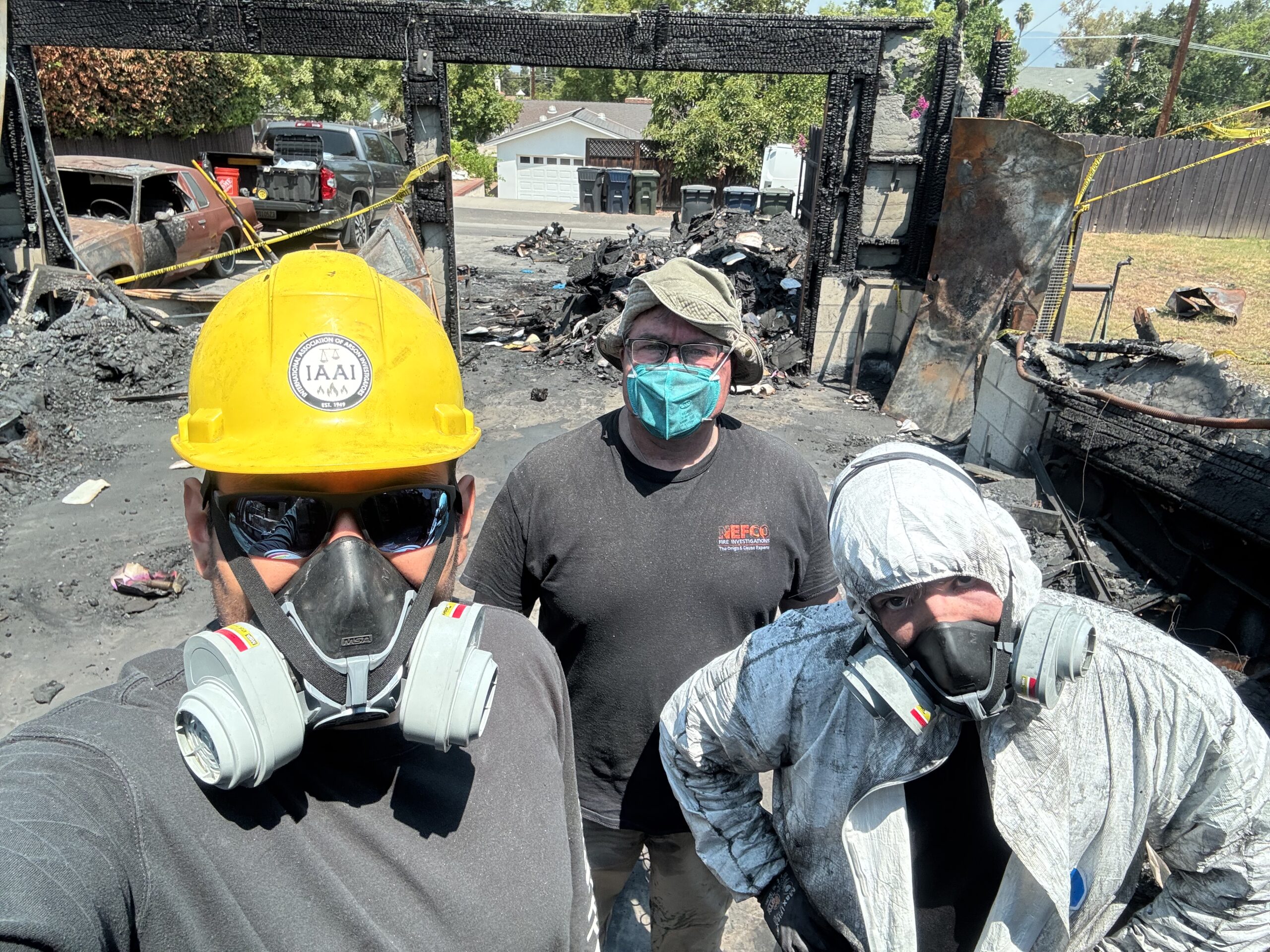
Initial Scene Response and Assessment
The fire investigation process begins with immediate scene response to preserve critical evidence before contamination or deterioration occurs. Investigators conduct preliminary scene surveys to establish safety protocols, identify potential witnesses, and document initial observations that guide the subsequent investigation strategy.
Scene assessment involves systematic documentation of the following:
- Fire patterns
- Structural damage
- Environmental factors that influence fire behavior
This initial evaluation determines the scope of investigation required and identifies specialized resources needed for evidence recovery and analysis.
Coordination with fire department personnel and other first responders provides essential information about suppression activities, ventilation patterns, and initial observations that occurred before investigative personnel arrived at the scene. This collaboration ensures that all relevant information is captured and considered during the analysis phase.
Scene Reconstruction and
Fire Pattern Analysis
Scene reconstruction represents the analytical phase where collected evidence transforms into a coherent understanding of fire development and causation. This process involves systematic interpretation of burn patterns, heat damage indicators, and structural collapse sequences to determine the fire’s origin point and subsequent spread patterns throughout the affected structure or vehicle.
Fire pattern analysis requires extensive knowledge of fire behavior, fuel load characteristics, and ventilation effects that influence flame spread and heat distribution. Our investigators utilize advanced documentation techniques including Matterport 3D imaging systems to create precise spatial records that support detailed pattern analysis and courtroom presentations.
The reconstruction process begins with establishing the area of origin through careful examination of fire damage intensity, char depth measurements, and heat exposure indicators on various materials. Multiple burn patterns are analyzed collectively to eliminate alternative hypotheses and confirm the most probable ignition scenario based on physical evidence rather than assumptions.
Advanced Documentation and Modeling
Digital reconstruction tools enhance traditional fire investigation methods by providing precise measurements and spatial relationships that support scientific conclusions. Three-dimensional scene documentation allows for virtual scene revisits that reveal details not apparent during initial examinations, particularly in cases where structural collapse has altered the original fire scene configuration. FLIR thermal imaging capabilities identify temperature variations and heat retention patterns that remain detectable long after fire suppression activities conclude. This technology proves particularly valuable in commercial fire investigations where large spaces and complex fuel arrangements create multiple potential origin points that require systematic elimination.
The integration of photogrammetry techniques with traditional investigation methods creates comprehensive records that support expert witness testimony and assist insurance professionals in understanding complex fire scenarios. These detailed reconstructions often reveal critical details that influence claim determinations and subrogation decisions.
Fire Behavior Analysis and Verification
Scene reconstruction includes verification of proposed fire scenarios against known fire behavior principles and established scientific literature. Each hypothesis must demonstrate consistency with observed damage patterns, witness accounts, and physical evidence recovered from the scene.
Computer fire modeling capabilities allow investigators to test theoretical fire scenarios against actual damage patterns observed at the scene. This analytical approach provides quantitative support for investigative conclusions and helps eliminate alternative causation theories that lack scientific basis. The verification process includes consideration of suppression activities, ventilation changes, and structural modifications that occurred during the fire incident. These factors significantly influence fire spread patterns and must be accurately accounted for in any comprehensive scene reconstruction effort.
Evidence Collection and Documentation
Physical evidence collection follows strict protocols designed to maintain chain of custody integrity while maximizing investigative value. Each piece of evidence receives comprehensive documentation including photographic records, positional measurements, and detailed descriptions that support subsequent laboratory analysis.
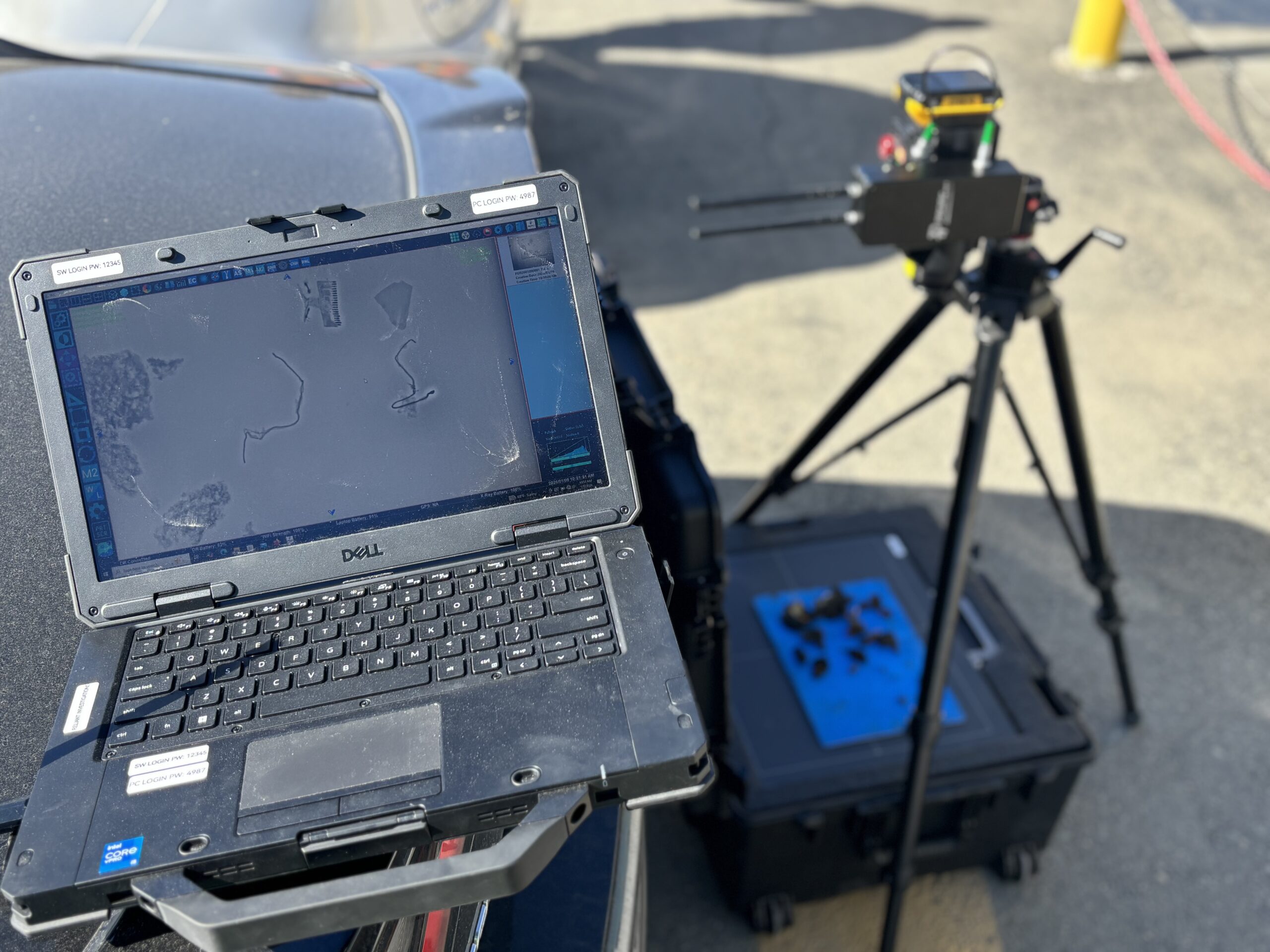
Our in-house laboratory capabilities allow for immediate evidence processing without the delays associated with third-party testing facilities. Digital X-ray imaging systems provide non-destructive examination of electrical components and appliances, while high-resolution microscopy reveals manufacturing defects and failure patterns invisible to standard visual inspection.
Specialized evidence categories require targeted collection techniques. Vehicle fire investigations utilize automotive lifts for thorough mechanical system examination, while ignitable liquid detection canines identify accelerant traces in complex fire scenes where traditional sampling methods may prove inadequate.
Laboratory Analysis and Testing
Laboratory analysis transforms physical evidence into scientific conclusions through systematic testing protocols. Electrical components undergo detailed examination to identify failure modes, while material samples receive spectroscopic analysis to determine composition and degradation patterns caused by fire exposure.
The integration of multiple analytical techniques provides comprehensive understanding of fire causation mechanisms. Thermal imaging analysis combined with traditional forensic methods reveals heat exposure patterns that confirm or refute witness accounts and initial scene observations. Testing protocols follow established scientific standards to ensure results withstand legal scrutiny. Each analytical procedure includes quality control measures and documentation requirements that support expert witness testimony in litigation proceedings.
Report Preparation and Expert Testimony
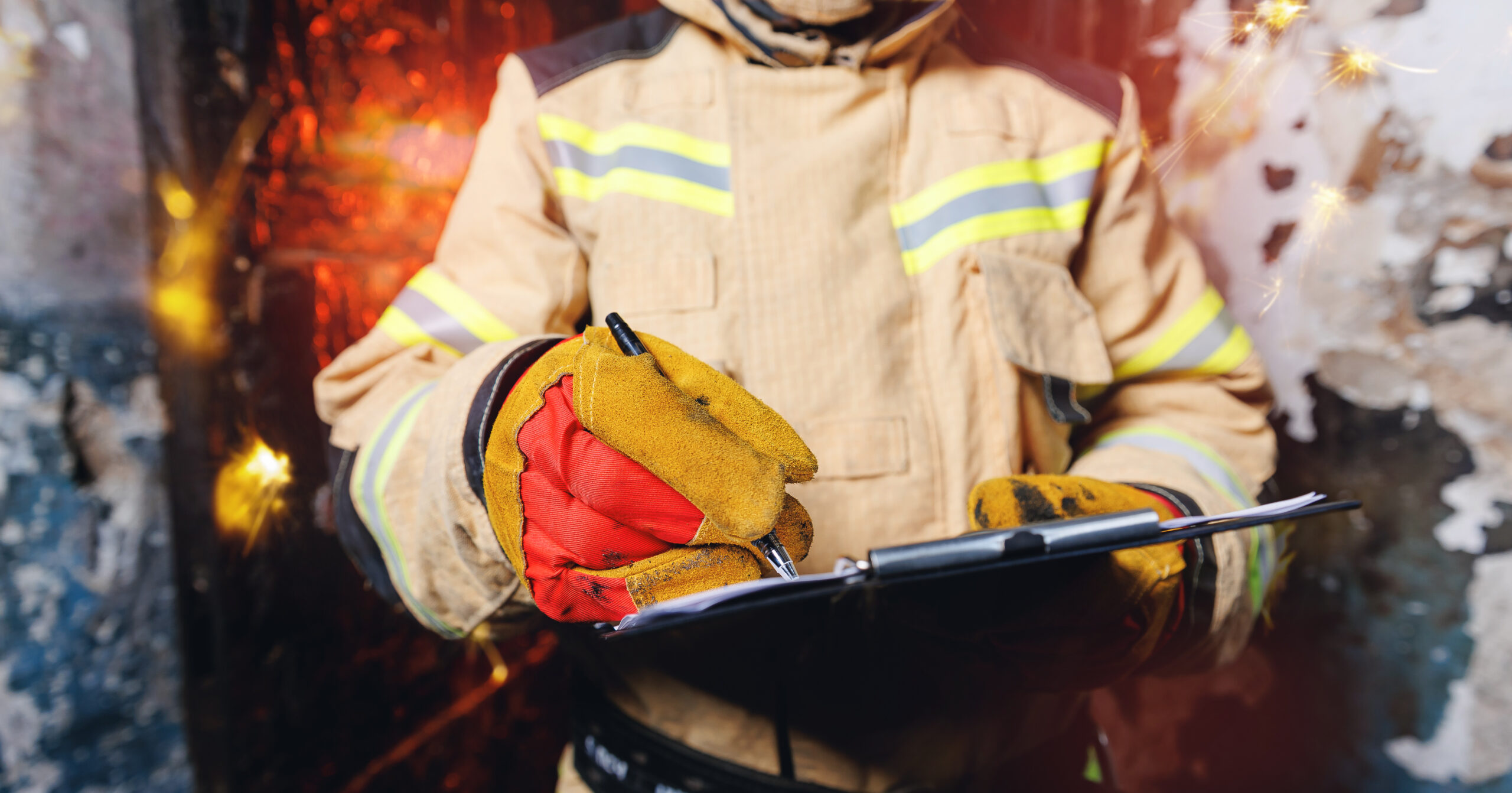
Investigation findings are compiled into comprehensive reports that present conclusions in clear, understandable language for insurance professionals and legal counsel. Reports include detailed methodology descriptions, photographic documentation, and scientific analysis that supports all conclusions and opinions.
Our expert witness services provide courtroom testimony support when investigation findings are challenged in litigation. The 9th Circuit Court recognition held by our lead investigator ensures that testimony meets federal court standards for scientific evidence presentation.
Report delivery includes executive summaries designed for non-technical audiences while maintaining complete technical documentation for peer review and legal proceedings. This dual approach ensures that all stakeholders receive appropriate levels of detail for their specific needs.
Contact Reliant Investigations for Professional Fire Investigation Services
Reliant Investigations delivers systematic fire investigation services designed to provide insurance companies with clear, defensible answers to complex fire loss scenarios. Our comprehensive approach combines advanced laboratory capabilities with field-proven investigation methodologies to ensure accurate origin and cause determinations that support informed claim resolution decisions.
When fire investigation requires scientific rigor and expert analysis, our team provides the professional services that insurance professionals depend on for reliable conclusions. Contact us through our online form or call (909) 944-3095 to discuss your fire investigation needs and learn how our systematic approach can support your claim resolution requirements.